Energy dominance / Powder Watts FlexiWatt

Energy dominance starts with the power we already have.

Up to 72 hours of grid support. Lower energy bills. Better building protection. FlexiWatt turns overlooked rooftop snowmelt loads into a resource for America’s next era of growth.

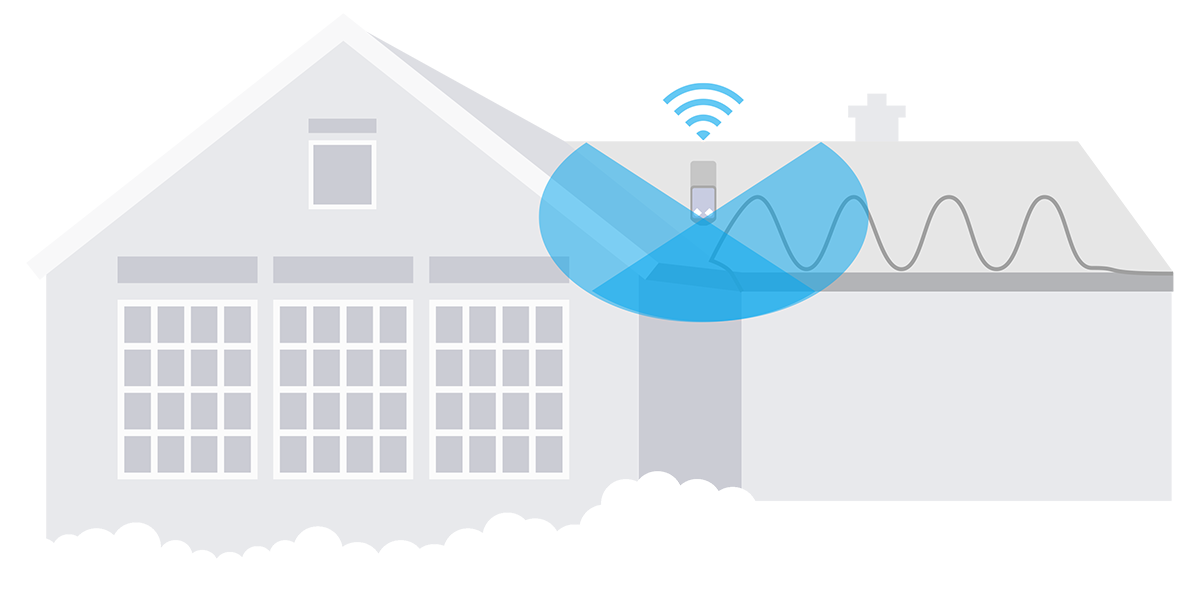
Intelligence at the point of consumptionPowder Watts website illustration showing a home and rooftop camera system
Built on the roof. Connected to the grid.Intelligent control strengthens building protection while turning wasted electricity into useful grid capacity.
Up to 72 hLong-duration grid support from eligible loads.Company-reported capability under qualifying conditions.
Up to 92%Reported heat-cable energy savings.Results vary by property and conditions.
Multi-GWA major unmanaged North American load opportunity.Market opportunity; not enrolled capacity.

Why this matters now

The AI economy needs power it can actually use.

Every advance in computing ultimately depends on electricity that can be delivered reliably, affordably, and when it is needed.

In September 2026, the U.S. Energy Information Administration forecast record electricity generation in both 2026 and 2027, with growth driven by data centers and manufacturing. DOE likewise identifies rising demand as a pressing reason to expand and improve the grid.

Powder Watts is already helping large-load customers pursue grid access through capacity-enablement agreements. By removing unnecessary demand where it occurs, we create room for productive electricity use on infrastructure that already exists.

01

Code

The intelligence.

02

Chips

The computing engine.

03

Power

The capacity to deliver.

Early insight. Greater relevance.

We were building the capability.
Now the need has grown.

Our early work on intelligent snowmelt control established the foundation for a larger grid opportunity.

THEN / OCTOBER 2023

Intelligence on real buildings.

Published coverage described Powder Watts combining rooftop images, machine vision, weather data, automated switching, and circuit-level energy measurement. Customers were reporting heat-cable energy savings of up to 92%.

Read the 2023 coverage ↗
NOW / FLEXIWATT

Coordination across the grid.

Today, FlexiWatt combines that building intelligence with long-duration load control, paid utility participation, and commercial capacity-enablement relationships. We are creating firm demand-side capacity for defined service windows—turning electricity that would otherwise be wasted into room for new demand.

Explore the utility platform ↗

Ahead of the curve in 2023. Built for the capacity challenge utilities face today.

The technology behind the resource

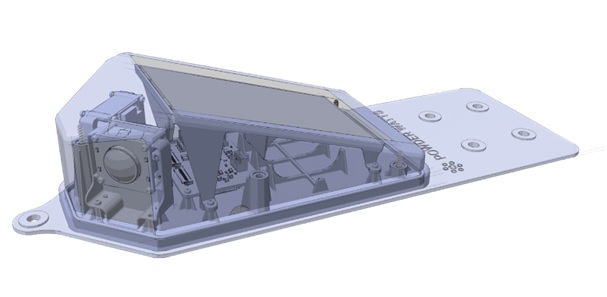
Powder Watts solar-powered rooftop camera product rendering
Powder Watts rooftop camera • Product rendering from the existing technology page.

With vision, we know.

Grid flexibility begins with understanding the building.

01Observe

Computer vision provides visibility into snow and ice conditions at monitored locations.

02Control

Weather information and operating logic guide when heat cables run.

03Measure

Circuit-level metering records consumption and helps identify abnormal operation.

04Coordinate

Connected controls allow participating loads to be managed together for utility programs.

A VPP customers have a reason to love

Save energy.
Strengthen protection.
Keep people comfortable.

Building protection is part of the value customers receive from Powder Watts.

Rooftop visibility and circuit monitoring help identify failed operation, tripped breakers, and conditions that need attention. Intelligent snowmelt control adds a layer of oversight to equipment that protects the property.

Participation leaves room temperatures and thermostat settings alone. Customers can save thousands of dollars in heat-cable energy costs while gaining better visibility into their building’s protection system.

Savings depend on the existing system, runtime, weather, and electricity rates. Building protection requirements govern dispatch.

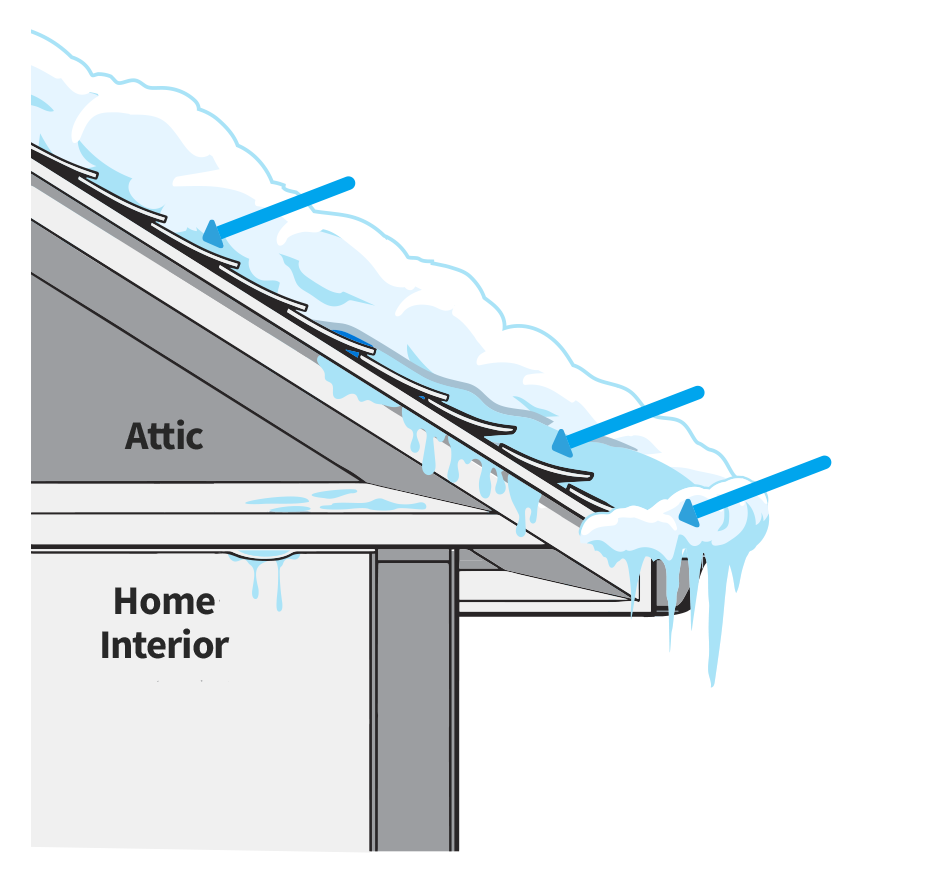
Powder Watts illustration of rooftop snowmelt and drainage protection
Better information. Earlier action.See roof conditions, monitor cable operation, and act on alerts.

Two complementary sources of value

Less energy wasted.
More control when it matters.

Avoiding unnecessary operation reduces seasonal consumption. Coordinating eligible loads reduces demand during a constrained period.

Energy efficiency / normalized illustration

What up to 92% savings looks like.

At the reported best-case savings level, 100 units of heat-cable electricity become 8 units consumed.

92%of normalized consumption avoided in this illustration.
Based on the “up to 92%” savings reported in October 2023 coverage. This chart illustrates that upper-end result; it is not a fleet average or a guarantee. Actual savings vary.

Duration / same sustained 1 MW response

Up to three days of support.

At equal sustained power, a qualifying 72-hour response delivers 18 times the event energy of a four-hour response.

18× the event energy at the same sustained MW.

MW × hours = MWh. The 72-hour capability is company-reported and applies to qualifying loads and conditions; the graphic is arithmetic, not a measured fleet event. Actual response requires an eligible baseline, safe operating conditions, and program qualification.

The duration and deployment advantage

Support after sunset.
Staying power beyond a four-hour window.

FlexiWatt combines long-duration demand reduction with a retrofit deployment model.

Available when solar isn’t.

Eligible demand reductions can support evening, overnight, and low-solar periods. Their availability follows controllable load and building conditions, rather than sunlight.

Hours become days.

Up to 72 hours of qualifying support extends far beyond a four-hour battery discharge. FlexiWatt reduces consumption throughout the window without drawing down a stored-energy inventory.

Install controls. Unlock capacity.

Retrofit equipment already on the building and already connected to the grid. That removes major construction and hardware steps associated with adding battery storage.

Local relief. Existing wires.

Installation needs no new transmission line. Targeted reductions can relieve demand on the feeders and substations serving participating buildings.

The duration comparison uses a four-hour battery benchmark, not every storage technology. Batteries can recharge and provide services beyond load reduction. Deployment schedules and grid value depend on site readiness, location, utility approval, and program requirements.

Built for exceptional economics per MWh

More hours of support.
More value from each installation.

The economic advantage starts with equipment the customer already owns.

Controls unlock the resource. Energy savings and eligible utility incentives help fund deployment and shorten customer payback. Long response windows increase the grid-service MWh available from each qualified MW.

Lower hardware burdenRetrofit controls in place of a new storage installation.
Savings support paybackEnergy-bill savings begin with avoided operation.
Recurring grid valueQualified capacity can earn revenue through utility and grid-service agreements.
Compare deployment cost, payback, and delivered MWh for your project ↗

Why duration matters to cost

One service budget.
More MWh delivered.

Illustrative cost per event MWh, holding total event cost and sustained MW constant.

4-hour response100
24-hour response16.7
72-hour response5.6
Index: four-hour cost/MWh = 100. Cost/MWh = total event cost ÷ delivered MWh. This isolates duration; it is not a price quote, a battery cost study, or a claim of 94.4% realized cost savings. Actual comparisons must include all costs and verified delivery.

Year-round utility value

A resource for the peak.
And the waste between peaks.

Contracted service windows and measured response turn controllable loads into dependable planning resources.

01

Peak demand

Reduce eligible demand during a building’s or utility’s highest-load periods.

02

Coincident peak

Coordinate reductions with system peak windows to support capacity and demand-cost objectives.

03

Demand response

Deliver and meter qualified reductions during dispatched events, including extended windows.

04

Summer shedding

Remove unnecessary rooftop snowmelt consumption during warm-weather months and summer peaks.

The overlooked summer opportunity

Snowmelt should not be a summer load.

On a large property, checking every panel and circuit takes staff time. Equipment left energized can keep consuming electricity long after winter ends. Automated control replaces that recurring manual task.

100%of an eligible, unnecessary snowmelt load can be switched off when no melting is required.This is a circuit-level shutoff capability, not a claim that 100% of the fleet is available in every season.

Persistent summer savings and incremental event response are measured separately. A circuit already off creates no additional event reduction; utility baselines and capacity rules determine what can be credited.

FlexiWatt™ / intelligent demand flexibility

Built for a more flexible grid.

DOE’s flexibility framework describes four functions: Shape, Shift, Shed, and Shimmy.

01

Shape

Improve the overall pattern of electricity demand.

02

Shift

Move eligible operation to a more useful time.

03

Shed

Reduce demand during defined service windows.

04 / FRAMEWORK CONTEXT

Shimmy

Rapid modulation for shorter-timescale grid balancing.

Powder Watts’ published utility offering documents Shape, Shift, and Shed. Shimmy is included to explain DOE’s framework; frequency-response capability is not asserted here. FlexiWatt is Powder Watts’ brand; DOE framework alignment does not imply government endorsement.

An opportunity built on existing infrastructure

Value at the property.
Potential at the system level.

PROPERTY OWNERS

Lower bills.
Better protection.

Save energy, automate routine control, and gain visibility into roof and circuit conditions. Customers receive practical value every season, with no thermostat adjustments.

UTILITIES & GRID PROGRAMS

Firm demand-side
capacity.

Convert avoidable consumption into a measured resource for contracted service windows. Capacity is qualified for its location, duration, availability, and performance.

LARGE LOADS & DEPLOYMENT PARTNERS

A practical path
to grid access.

Capacity-enablement relationships already connect Powder Watts’ demand reductions to large-load grid-access objectives. Each deployment can create useful headroom where the utility needs it.

The next chapter of energy dominance

Long-duration support.
Compelling economics.
Customers who benefit.

Up to 72 hours of eligible grid support—all while cutting wasted energy and strengthening building protection. That is the Powder Watts advantage.

Sources, definitions & graphic notes

History and customer value. Powder Watts’ October 9, 2023 TownLift article documents AI controls, reported savings up to 92%, and monitoring alerts. See also the technology page. Reported customer results are not a universal guarantee.

Current capability and market opportunity. Up to 72 hours, commercial grid-access activity, and paid utility participation reflect Powder Watts’ October 2026 company information. Multi-GW describes the addressable North American load, not enrolled or accredited capacity. Firm service requires defined availability, contracts, measurement, and utility qualification.

Why now. EIA, September 9, 2026, forecasts record generation in 2026 and 2027. The DOE National Transmission Needs Study addresses the grid implications of load growth.

DOE framework. Consumer Resource Flexibility, November 2023, describes Shape, Shift, Shed, and Shimmy. The published Powder Watts utility offering identifies its supported functions. FlexiWatt is Powder Watts’ brand; reference to DOE’s framework does not imply endorsement.

Graphs. Savings normalize consumption to 100 units and illustrate a reported upper-end result. Duration uses a constant 1 MW: 4, 24, and 72 MWh over 4, 24, and 72 hours. The cost/MWh index is 100, 16.7, and 5.6 at equal total event cost. These are labeled illustrations, not measured fleet time series or market-wide cost rankings.

Comparisons and summer availability. Battery duration is a specified four-hour comparison; actual storage technologies and project economics vary. Summer shutoff applies only to unnecessary, eligible loads. Avoided seasonal energy and incremental dispatched response are accounted for separately. Updated October 21, 2026.